Fix
Drill chuck slipping or bit wobbling: causes and fixes
Published
Note: This page contains affiliate links. If you buy through them we may earn a commission at no extra cost to you. Learn more
In short
Most slipping comes from a chuck not tightened enough or a round shank bit spinning in hammer mode. Tighten firmly until the ratchet clicks, use bits with flats or hex shanks, and clean the jaws. If bits still slip or wobble with new bits, the jaws or chuck may be worn and need replacing, ideally by a service agent.
Products for this job
Compare all 6 productsDeWalt DCD996P2: 95 Nm, three speeds, two 5 Ah packs
Check price on AmazonAffiliate linkBosch GSB 18V-45: light 45 Nm brushless kit, 2 x 2 Ah
Check price on AmazonAffiliate linkMilwaukee M18FPD2: 135 Nm Fuel drill with one 5 Ah pack
Check price on AmazonAffiliate link
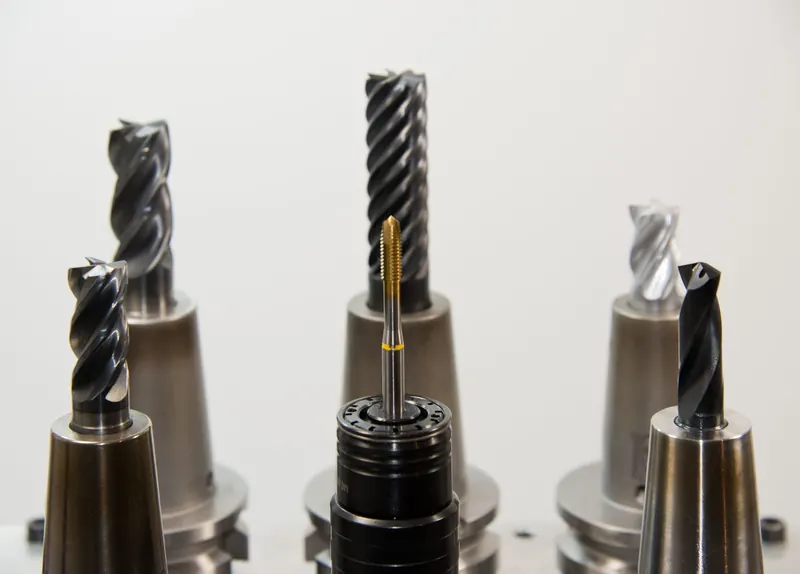
A bit that spins in the chuck, falls out mid hole or wobbles in a circle is frustrating and can be dangerous. The good news is that most causes are simple. This guide works through the common reasons from easiest to hardest, including when the chuck itself needs replacing on DeWalt, Makita and other cordless drills.
Quick checks first
Remove the battery before handling the chuck. Then work through the quick checks below. Often the fix is better tightening or a different bit.
- Is the chuck fully tightened? Keyless chucks need a firm twist, and ratcheting ones should click several times.
- Is the bit inserted far enough, with the jaws on the smooth shank and not the flutes?
- Is the shank round and slippery? Round shanks slip more under hammer and high torque.
- Is the bit bent? Roll it on a flat surface to check.
- Are the jaws clogged with dust or debris?
Tightening a keyless chuck properly
Hold the rear collar if your chuck has one, or lock the spindle by holding the trigger off, and turn the front sleeve clockwise firmly by hand. On single sleeve ratcheting chucks you should hear and feel clicks as it locks. Some users give a final firm turn with the drill in low gear, holding the sleeve; check your manual before doing this.
Recheck tightness after a few holes, especially in hammer mode, as vibration can loosen the grip.
- 1
Remove the battery.
- 2
Open the jaws and clean them.
- 3
Insert the bit centred, jaws on the smooth shank.
- 4
Tighten firmly until the ratchet clicks.
- 5
Refit the battery and test at low speed.
Round bits in hammer mode
Hammer mode vibration makes round shank masonry bits creep and spin. Use masonry bits with flats on the shank or a hex shank, which the jaws grip better. For heavy masonry work an SDS drill avoids the problem entirely, as SDS bits lock into the chuck. See SDS drill vs combi drill.
- RoundFits: keyless chuck
- Hex 6.35 mmFits: impact driver
- SDS plusFits: SDS plus drill
- SDS maxFits: SDS max breaker
Bit wobbling
A wobble usually means the bit is not centred between the three jaws, often because it was inserted at an angle or one jaw caught a flat. Reopen and refit. If every bit wobbles, check for a bent spindle or a damaged chuck. A drill that has been dropped on the chuck is a common cause.
Spin the drill slowly with a straight new bit and look at the tip. A small wobble is normal with cheap bits; a large, consistent wobble suggests the chuck or spindle is damaged.
Worn jaws and chuck problems
Over time the jaw tips wear and round off, especially if bits have spun in them. Worn jaws grip poorly whatever you do. Dust and fine debris can also pack into the chuck mechanism, making it stiff and preventing full tightening. Blowing out dust and a very light touch of dry lubricant on the outside threads can help.
Do not flood the chuck with oil, which attracts dust and makes the problem worse over time.
Replacing a chuck
Most cordless drill chucks screw onto the spindle and are held by a left hand threaded screw inside the jaws. Removal usually involves opening the jaws, undoing that screw clockwise, then unscrewing the chuck with a hex key and a sharp tap. Procedures differ between DeWalt, Makita, Milwaukee and Bosch models, and some use different threads or retention methods.
Check your drill's manual or the maker's service information for the correct part and method, or use an authorised service agent. Fitting the wrong chuck can be unsafe.
Note:Always remove the battery before working on the chuck. If a drill has been dropped and the chuck or spindle is bent, stop using it and have it checked by a service agent. Wear eye protection when testing.
When to replace the drill
If the drill is old, brushed and the chuck, spindle or gearbox are worn, a replacement may cost little more than parts and labour. Modern brushless drills often have all metal chucks and better electronics. Our combi drill kit guide and Makita comparison list current models.
Frequently asked questions
Why does my bit fall out of the chuck? The chuck is not tight enough, or the jaws are worn or clogged. Tighten firmly and clean the jaws. Replace the chuck if it keeps happening.
Can I fit hex bits in a keyless chuck? Yes. Hex shanks grip well in three jaw chucks and slip less than round shanks.
Is it normal for the chuck to loosen in reverse? It can happen on some drills when backing out stubborn screws. Recheck tightness after reversing.
Can I replace a Makita or DeWalt chuck myself? Often yes with the right part and tools, but methods vary. Follow the maker's instructions or use a service agent.
What you need
- Check price on AmazonAffiliate link
DeWalt DCD996P2: 95 Nm, three speeds, two 5 Ah packs
- Check price on AmazonAffiliate link
Makita DDF486RTJ: 130 Nm drill driver, 2 x 5 Ah